
No products in the cart.
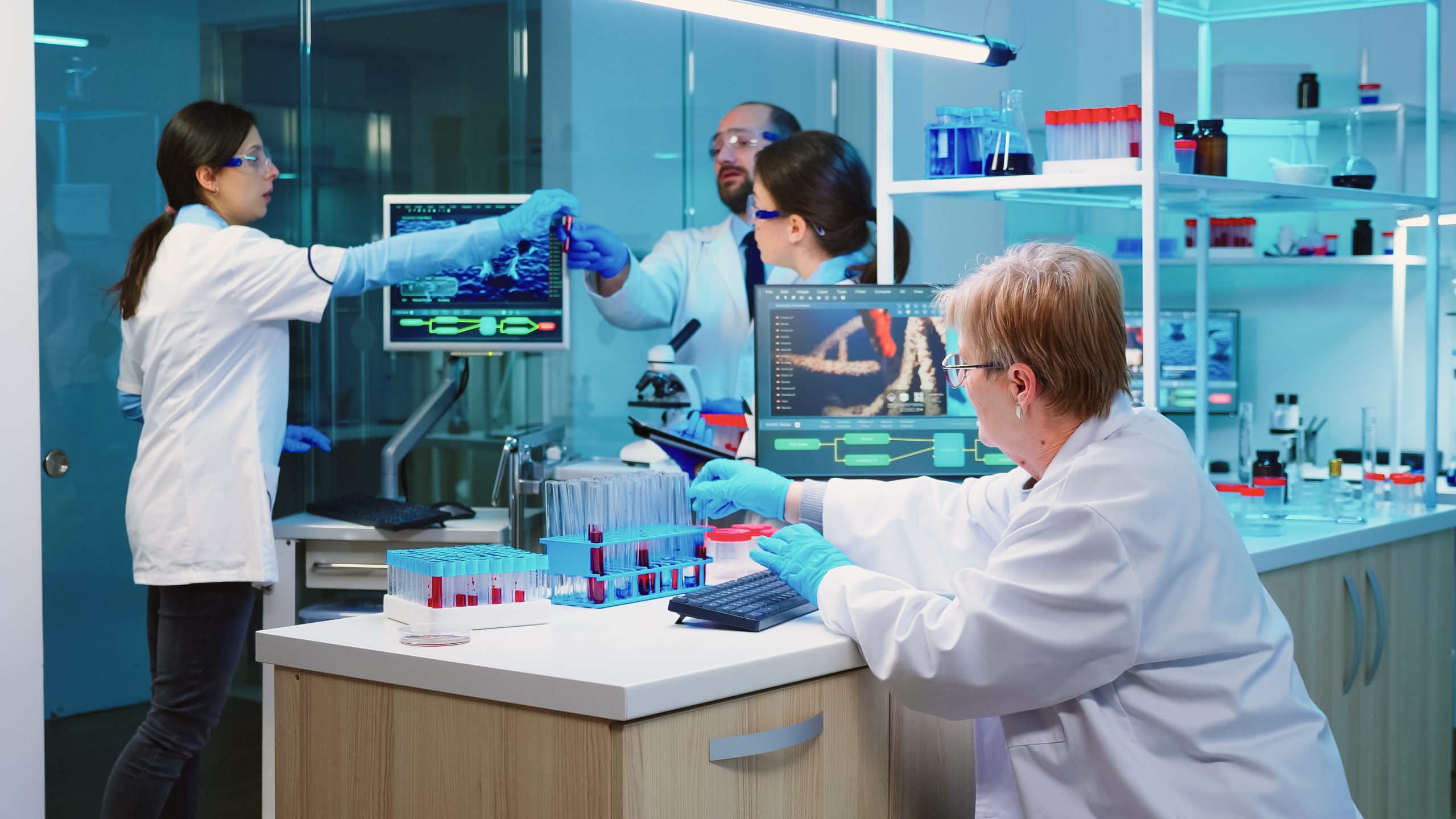
How UK Research Facilities Support Advanced Peptide Development and Testing
Peptides have become an essential focus of modern scientific research, supporting advances in fields such as molecular biology, biochemistry, drug discovery, and life sciences. As peptide development in the UK continues to advance, research increasingly relies on well-equipped laboratories, advanced analytical technologies, and rigorous quality standards to produce reliable and reproducible results.
The UK is home to a strong scientific research ecosystem that supports every stage of peptide development and testing. From peptide synthesis and purity analysis to stability testing and experimental validation, these research facilities provide the infrastructure needed to conduct high-quality studies while maintaining strict regulatory and quality standards.
The Role of Dedicated Facilities in Peptide Development in the UK
Making peptides is a very technical job. Scientists must chain amino acids together in an exact order. This order allows them to mimic or change natural body functions. For UK labs, making these compounds is only the first step. The real challenge is testing them. Scientists must make sure the molecules act predictably during lab tests.
Advanced UK labs help this process in three main ways:
- Custom Synthesis: They build custom amino acid chains. These are made to fit specific lab models.
- Lyophilisation (Freeze-Drying): They turn liquid peptides into a dry powder. This protects the delicate links from heat and light during travel.
- Reconstitution Protocols: They create clear rules for mixing the powder with liquids. Researchers often use sterile or acetic water to get the peptides ready for testing.
These molecules are very sensitive. Because of this, they need special storage. Unmixed powders must stay in a freezer at -20°C. Once mixed into a liquid, they must stay in a fridge between 2°C and 8°C. This stops the peptide chain from breaking apart.
Why Analytical Purity Dictates Scientific Success
In lab research, even a tiny bit of dirt can ruin months of hard work. If a peptide batch is impure, a researcher faces a big problem. They cannot tell if the test reaction came from the peptide or from a leftover chemical.
Government investment reflects this priority: among projects backed by the Sustainable Medicines Manufacturing Innovation Programme is work on low-impact peptide synthesis for life-saving medicines, led by AstraZeneca UK (UKRI/Innovate UK). It’s a signal that synthesis quality isn’t just a lab concern; it’s a national one.
To prevent this, top suppliers offer proof of quality. High-end labs use two main tests to check their stock:
- HPLC (High-Performance Liquid Chromatography): This test pumps a liquid mix through a special column. The different molecules move at different speeds. This separates the pure peptide from any waste. It gives an exact purity percentage.
- Mass Spectrometry (MS): This tool weighs the molecules. It acts like a chemical fingerprint. It proves that the made peptide matches the exact design the scientists wanted.
Good distributors share these third-party lab reports openly. When you look for research peptides UK, a score of 99% purity is the standard. This high score ensures clean and repeatable data.
Navigating UK Supply Chains and Compliance
The UK has strict rules for selling and handling synthetic chemicals. Following these rules is vital. It keeps lab credentials safe and ensures everyone follows the law.
The RUO Framework
Peptides meant for lab study fall under a strict Research Use Only (RUO) label. This system is highly regulated. It separates experimental chemicals from normal consumer goods.
Under UK law, these compounds cannot be sold for human use. The Medicines and Healthcare products Regulatory Agency (MHRA) helps monitor these rules. These peptides are not for medicines or clinical use. Instead, they are restricted to test tubes, benchmarking and controlled lab tests.
Data Protection and Secure Logistics
Compliance also applies to how you buy and ship products. Modern suppliers must follow the UK GDPR and the Data Protection Act 2018. This keeps lab purchase histories and payment facts fully encrypted and secure.
Peptides can spoil quickly if they get too warm. Because of this, UK shipping networks are fast and precise. Reliable local suppliers use temperature-controlled packs and rapid shipping. This ensures the compounds arrive at the lab bench in perfect shape.
To see how these safety laws work in real life, you can read Octagon Peptides’ compliance overview. This guide details the legal rules for domestic lab supplies.
Summary of Laboratory Guidelines for Peptide Handling
Researchers must follow strict rules to protect these fragile compounds. The table below shows the basic standards for handling high-purity research materials:
| Handling Stage | Standard Operating Procedure |
| Receipt | Check the vial for a tight vacuum seal. Match the batch number to the HPLC report. |
| Powder Storage | Keep long-term stocks in a stable freezer at -20°C. Keep them away from light. |
| Reconstitution | Pour the liquid gently down the side of the glass vial. Do not shake hard or the links might break. |
| Liquid Storage | Store the mixed liquid in a lab fridge between 2°C and 8°C. Use it before it spoils. |
Advancing Scientific Research Through Quality Infrastructure
UK labs are constantly upgrading their testing tools and synthesis methods. As they do, the potential for big scientific breakthroughs grows. Scientists use high-purity peptides to study tissue repair and metabolic pathways. These tools remain vital to modern biology. By using compliant suppliers and keeping up strict lab standards, UK scientists ensure their data is accurate, reliable and ready for the future.
For compliant, high-purity research compounds, Octagon Peptides is a trusted UK supplier built for serious labs.

Leave a Reply